The TILLO Method gives children a physical, open-ended way to show what they think, feel and imagine — and gives the adults around them a way to listen. Developed over more than 10 years of work with children and families.
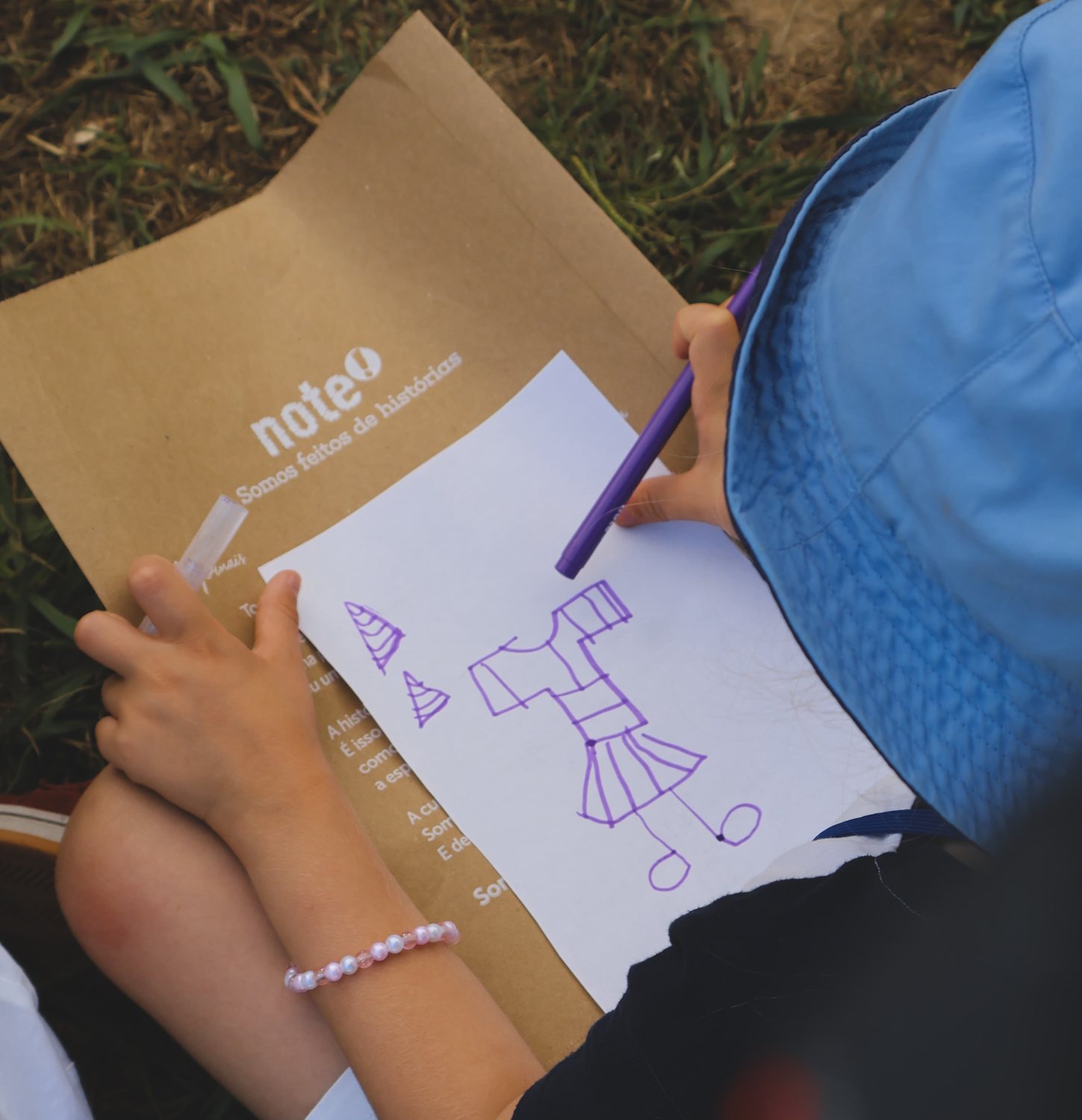
Visual cards, open questions, stories, drawing and physical objects offer alternative routes to expression. There are no right answers: the child chooses, creates and leads, while the adult observes, asks and listens without interpreting.
The cards open the possibilities. The questions are the method.
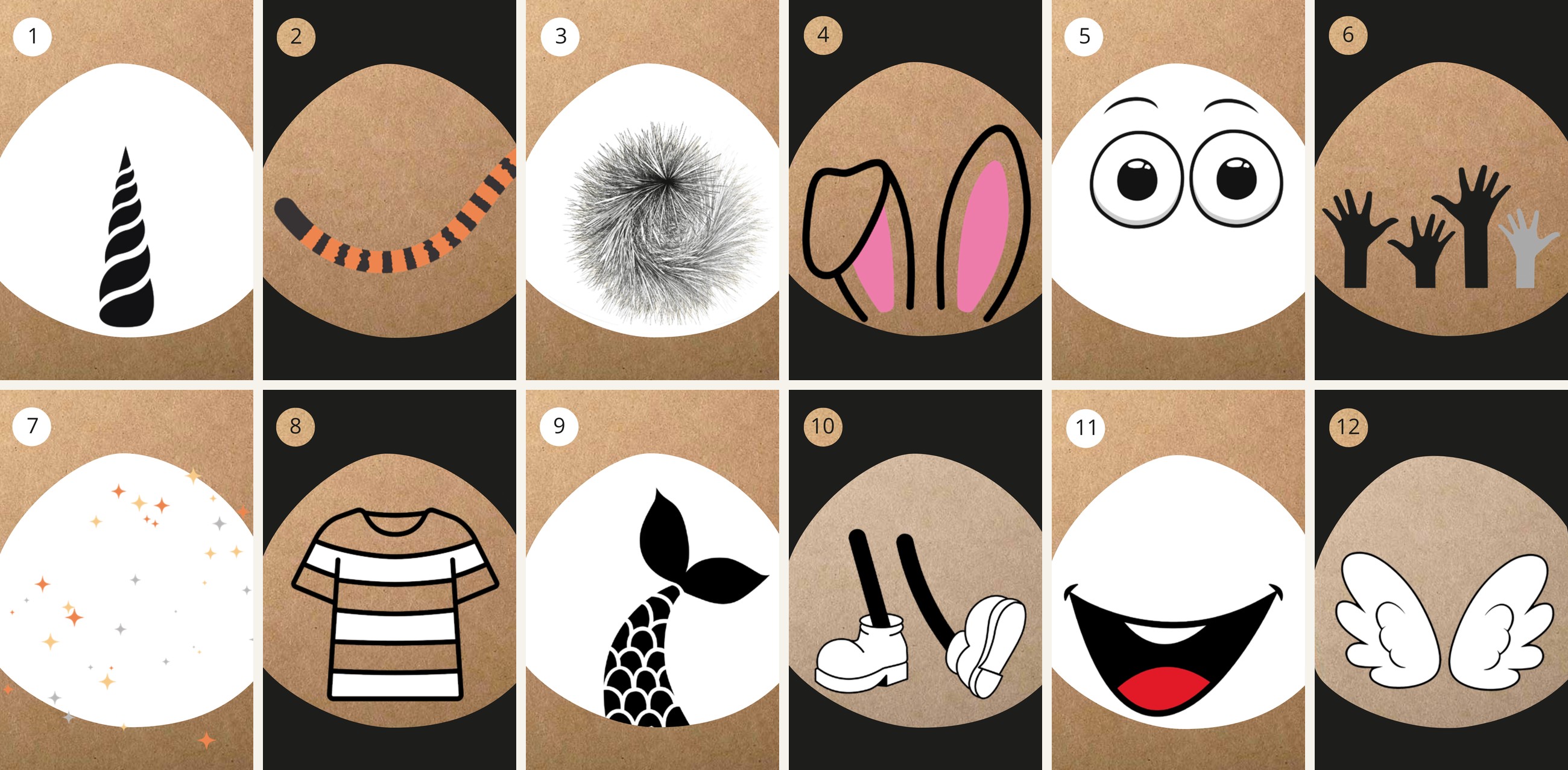
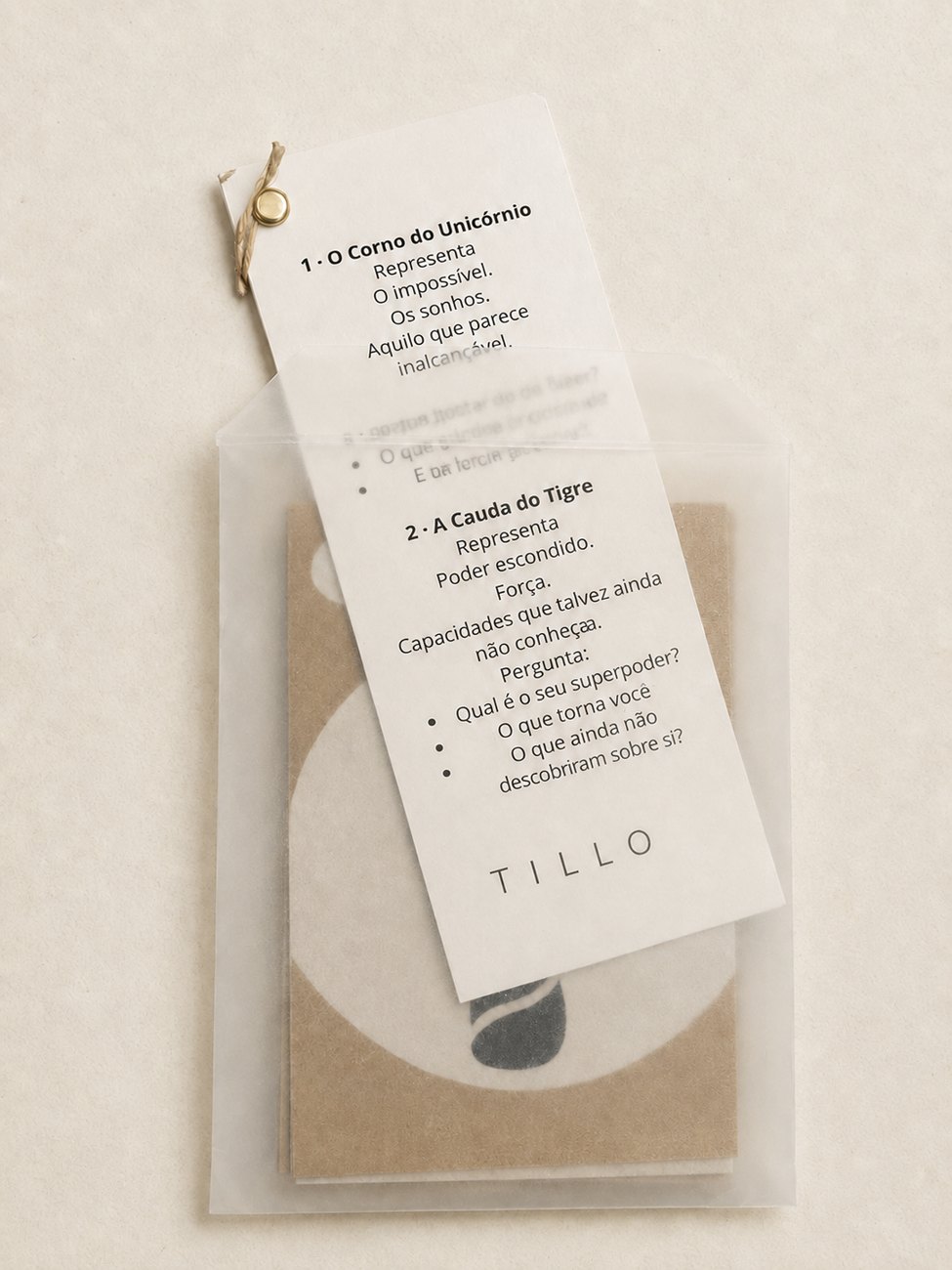
Twelve deliberately neutral fragments — a horn, ears, eyes, a mouth, hands, feet, wings, a tail, fur, sparkles, a striped shirt. Never a finished character. Never a named emotion.
A small set of visual prompts supports many forms of expression. One minimal image can lead to drawing, modelling, movement or imagination — without a specialised kit.
The same tools work across homes, schools and community settings. Printed and durable, with nothing to license, update or replace.
The adult follows a designed question sequence while the child retains authorship. The method does not diagnose, label or claim clinical outcomes.
A facilitated session with one class. Every workshop leaves behind a class set of cards and a question fan for the teacher — materials are included, so the practice continues after the session ends.
An introduction to the method with one class of up to ~25 children. Ideal as a first experience.
The full sequence, with time for creation and for every child to share. About €10 per child.
Six weekly sessions, groups of eight. One trained teacher carries the method to a whole class, year after year.
Currently working with schools in Porto and surrounding areas. Tell us your city and we will find a way.
The multiplier. A trained adult keeps using the method long after the programme ends — with a whole class, or with their own children at home.
The six-session format concentrates the question sequence tested in a 12-week mentoring programme.
One cohort of eight trained adults can carry the method to up to 200 children — about €3.20 per child in the first year, and no further cost in the years after.
Only activities and participants currently supported by records are counted.
Schools invite the method back. Adults who experience it ask to use it themselves — with their own children, in their own classrooms. The demand is not for one more workshop: it is for the capacity to continue after the workshop ends.
A child who had experienced bullying began by seeing the painted stone as a scarf. During the activity, he transformed it into a flying carpet — something that could carry him beyond the situation.
The activity did not erase the bullying. It created a symbolic way for the child to imagine agency, and to move from feeling trapped towards seeing a possible response.
No adult suggested the carpet. The method does not prescribe the story: the child creates the meaning.
An observed change in perspective, not a clinical outcome.
“Working with imaginary characters helped me — and the children in my life — release emotions that had remained hidden, and discover that being different means being ourselves.”
“Through very simple images and powerful questions, I accessed new insights. I also used the method with my daughter, who entered the imaginary world very easily. It became an opportunity for self-discovery for both of us.”
Personal experiences; not presented as clinical outcomes.
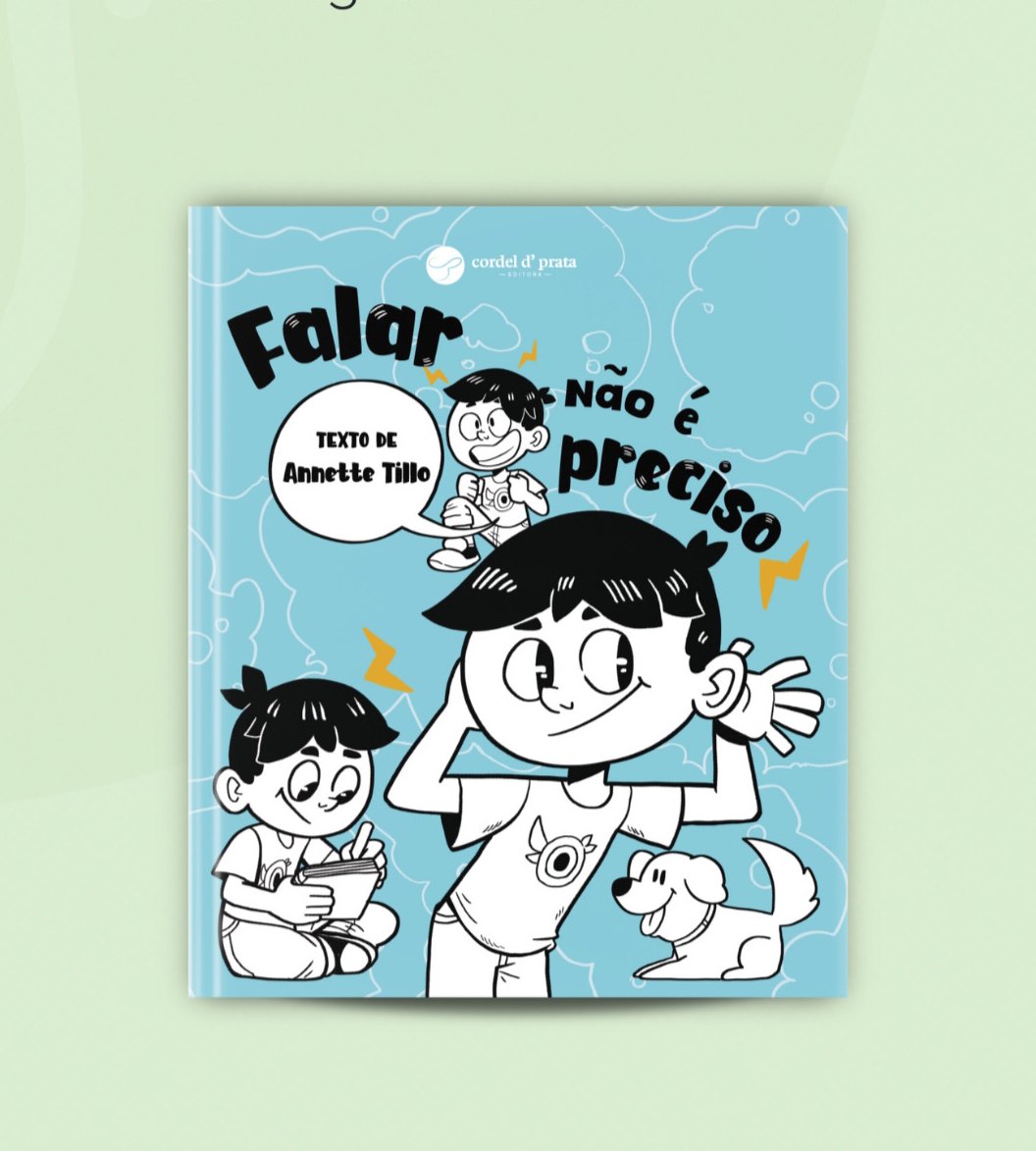
A children's book compiled from two years of shared experiences with a group of children in a holiday programme — the beach, learning to order a coffee and choose an ice cream, making art, watching horses. The narrator is a composite: no individual child is named or identifiable. The material came from what we lived together — cards, drawings, choices, movement — not from spoken language. The book gives it a first-person voice.
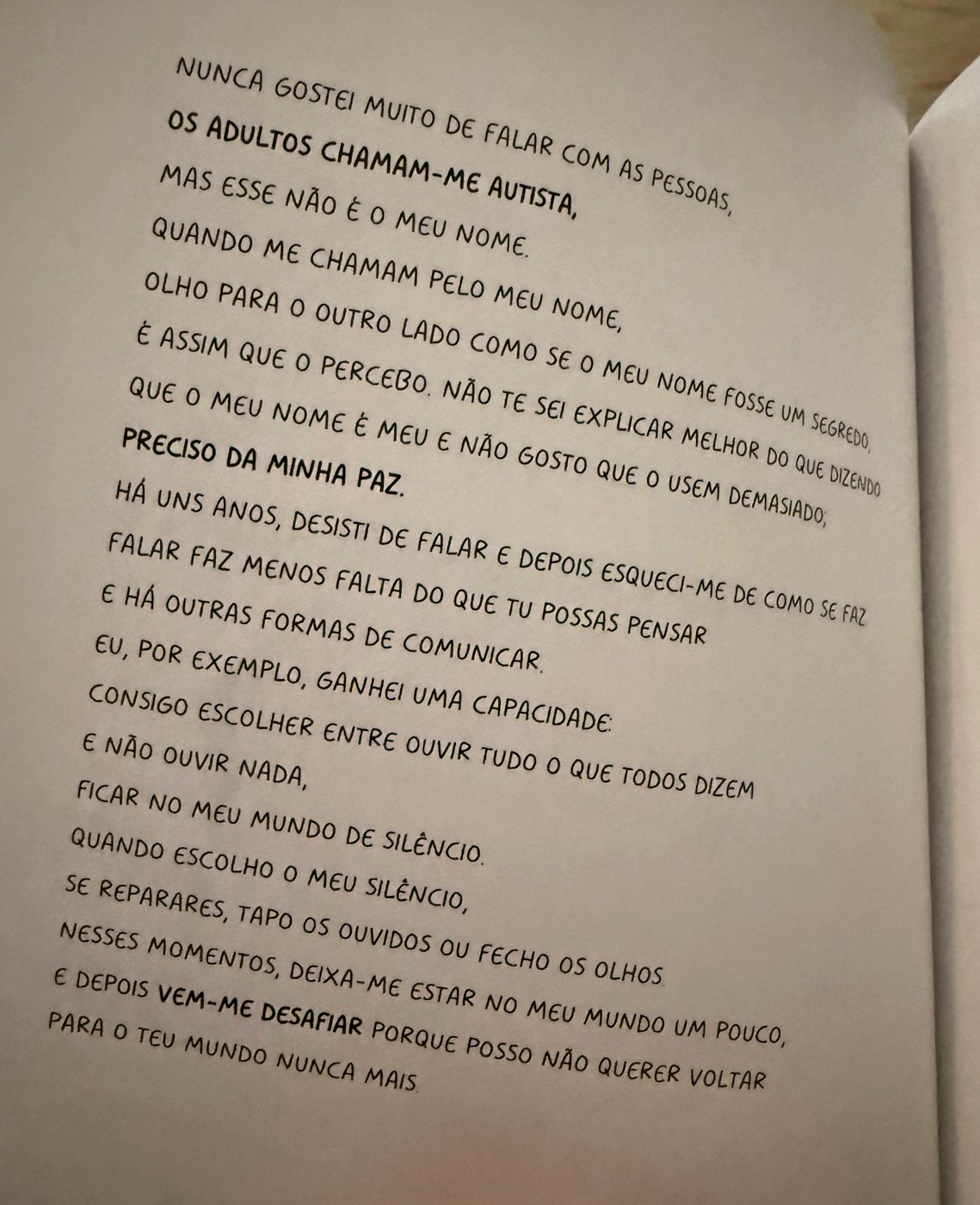
The text tilts and climbs across the page, and there is no correct way to read it. Each reader finds their own route — and the book grows with whoever is reading.
“Adults call me autistic, but that is not my name.”
“I only needed my pause, and I did not know how to ask for it.”
Published by Cordel d'Prata, February 2024 · ISBN 978-989-579-203-0
A monthly experience for families: a pop-up postcard, stickers based on the TILLO cards, a written story with open questions, an audio version, and blank cards for the child to create on.
Promoted by the Aga Khan Foundation and Universidade Católica Portuguesa
Currently in incubation, with a first family pilot completed
Unplug is being prepared for its first full cycles. Leave your email and we will let you know when subscriptions open.
Prefer email? Write to info@anettetillo.com — we reply within two working days.
Tell us the age of the children, how many classes, and a possible date. We reply within two working days.
Praça da República, Braga. Portugal's largest sustainability event. Come and try the method with your children — no booking needed. greenfest.pt